Whale Watching in Mirissa: Blue Whales, Prices, and Finding an Ethical Tour
Ella Thompson
2/8/2026

By Ella Thompson
There are very few places on Earth where you can wake up, drink a cup of coffee, and be staring at the largest animal to ever live on our planet just an hour later. Mirissa is one of them.
The southern coast of Sri Lanka is famous for its beaches, but the real giants are swimming just a few miles offshore. Mirissa is globally renowned as one of the best spots to see Blue Whales creatures that can grow up to 30 meters long and weigh as much as 30 elephants.
However, the whale watching industry here has a bit of a "Wild West" reputation. If you read the reviews, you will see stories of incredible encounters mixed with complaints about boats chasing animals. If you are planning to book a trip, you need to know how to do it right. Here is the honest, realistic guide to whale watching in Mirissa.
The Morning Chaos: What to Expect
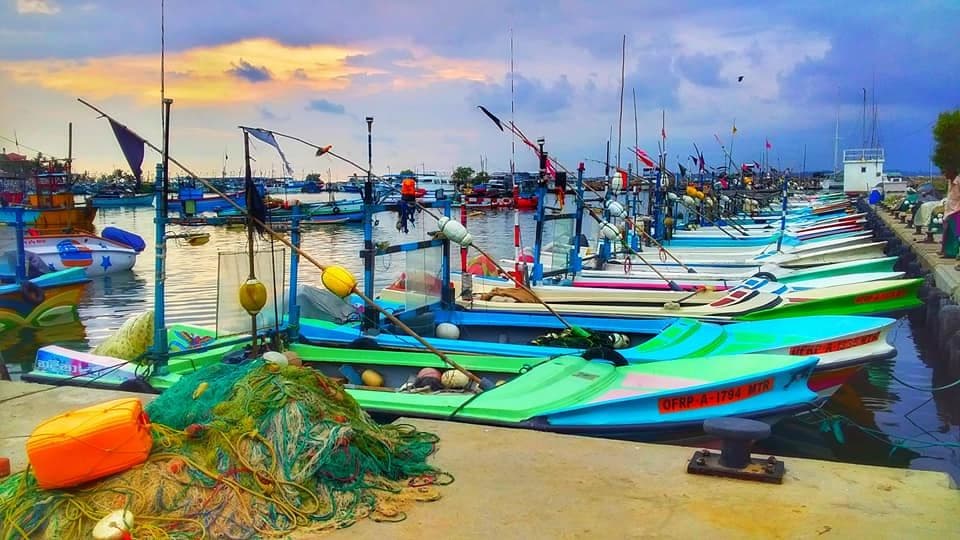
Your day will start early. Very early. Most boats leave the Mirissa Fisheries Harbor between 6:00 AM and 6:30 AM. You will likely need to be at the harbor by 6:00 AM to check in, get your life jacket, and find a seat.
The harbor is a busy, working port. You will walk past piles of fishing nets, colorful trawlers unloading the night’s catch, and the smell of diesel and salt. It is chaotic but exciting. Once you board your boat, you will usually be given a light breakfast (often a sandwich, fruit, and water) and seasickness pills.
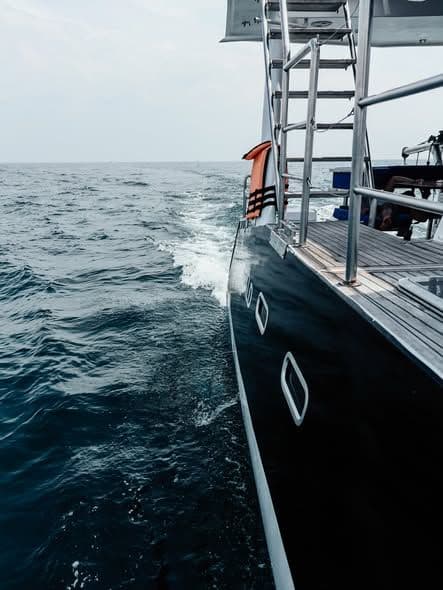
Realistic Tip: take the pill. The Indian Ocean is not a swimming pool. Even if you don’t usually get seasick, the swell out there can be long and rolling. The boat will be rocking for 3 to 5 hours. Nothing ruins a once-in-a-lifetime experience faster than nausea.
The "Ethical" Dilemma: Choosing the Right Boat
This is the most important part of your booking. In Mirissa, there are dozens of operators. Some are responsible, but many are aggressive. When a whale is spotted, it is not uncommon to see 10 or 20 boats racing toward the animal, cutting across its path to give tourists a closer look. This stresses the whales and can cause them to dive deep to escape.
You want a crew that respects the distance. The most highly recommended operator for ethical tours is often Raja & the Whales. They are slightly more expensive than the budget boats, but they adhere to international whale-watching guidelines. They don’t chase the whales; they predict where the whale will surface and wait nearby, allowing the animal to come to you. Other reputable operators include Whale Watching Mirissa (the Geeth brand).
The difference in experience is huge. On a budget boat, you might be closer, but you are part of the harassment. On an ethical boat, you get to see natural behavior, and the crew often provides educational commentary rather than just shouting "Look! Whale!"
Prices and Seasonality
You can't just go any time of year. The season runs from November to April. During these months, the ocean is calmer, and the whales are migrating through the area. From May to October, the monsoon makes the sea too rough for safe trips.
- Standard Budget Tours: These can cost anywhere from $30 to $50 USD. You might find them sold by beach boys or tuk-tuk drivers.
- Ethical/Premium Tours: These usually run between $55 and $70 USD. This includes tax, insurance, breakfast, and a longer duration if whales aren't found immediately.
Is the extra $20 worth it? Absolutely. You are paying for safety, better guides, and a clearer conscience.
What You Will Actually See
While Blue Whales are the main event, they aren't the only show in town.
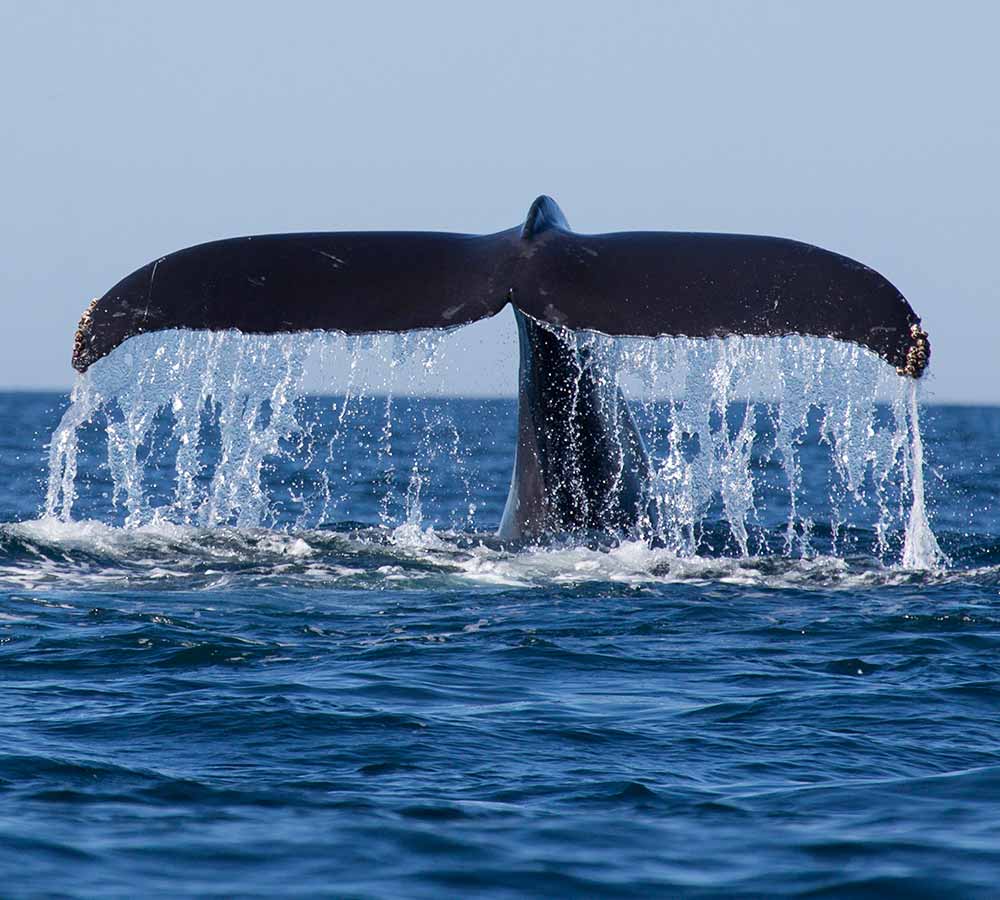
- Blue Whales: They are huge, but don't expect them to breach (jump) like Humpbacks. You will usually see the mist from their blowhole (which shoots 9 meters into the air!), then the long, rolling grey back, and finally the tail as they dive.
- Sperm Whales: Occasionally seen, identifiable by their blocky heads.
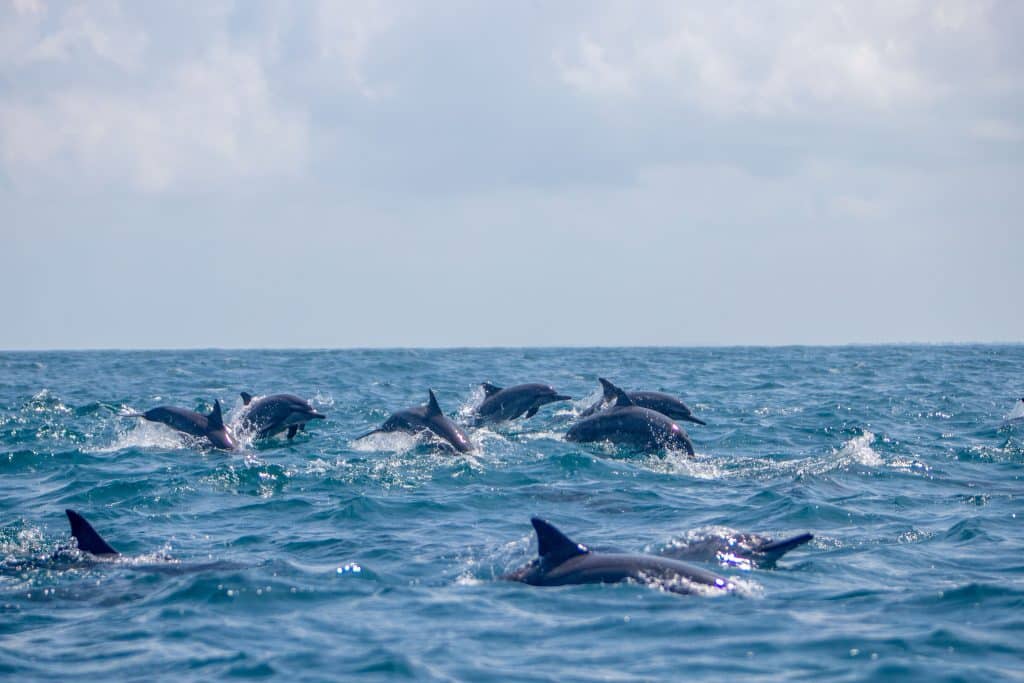
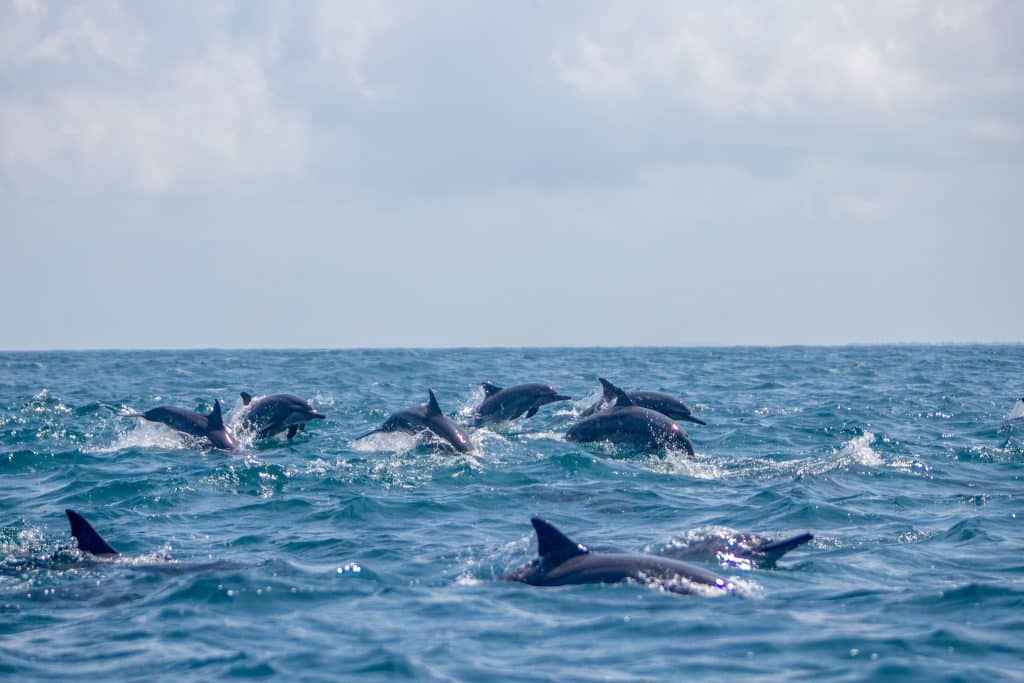
- Spinner Dolphins: This is the bonus! It is very common to run into super pods of hundreds of Spinner Dolphins. They love to play in the bow waves of the boat and jump acrobatically into the air.
Is It Worth It?
If you manage your expectations, yes. You aren't going to SeaWorld. You are entering the wild habitat of a massive predator. Sometimes you see five whales; sometimes you see none (though sightings are very high in season).
The ride back to shore can feel long, especially as the sun gets hotter around 10 AM. Bring sunglasses, a hat, and plenty of sunscreen. By the time you get back to the harbor, you will be exhausted, salty, and hopefully, amazed by the sheer scale of the ocean's giants.
Published on 2/8/2026