Udawalawe Safari Day Trip: Seeing Elephants from Mirissa
Dinithi Abeysekara
2/4/2026

By Dinithi Abeysekara
You are lying on the beach in Mirissa, looking at the ocean. It’s paradise. But you are also in Sri Lanka, one of the best places in the world to see wild elephants. Do you really want to fly all the way home without seeing one?
Many travelers think they need to travel deep into the "Cultural Triangle" in the north to do a safari. But the truth is, one of the country's best national parks is just a drive away.
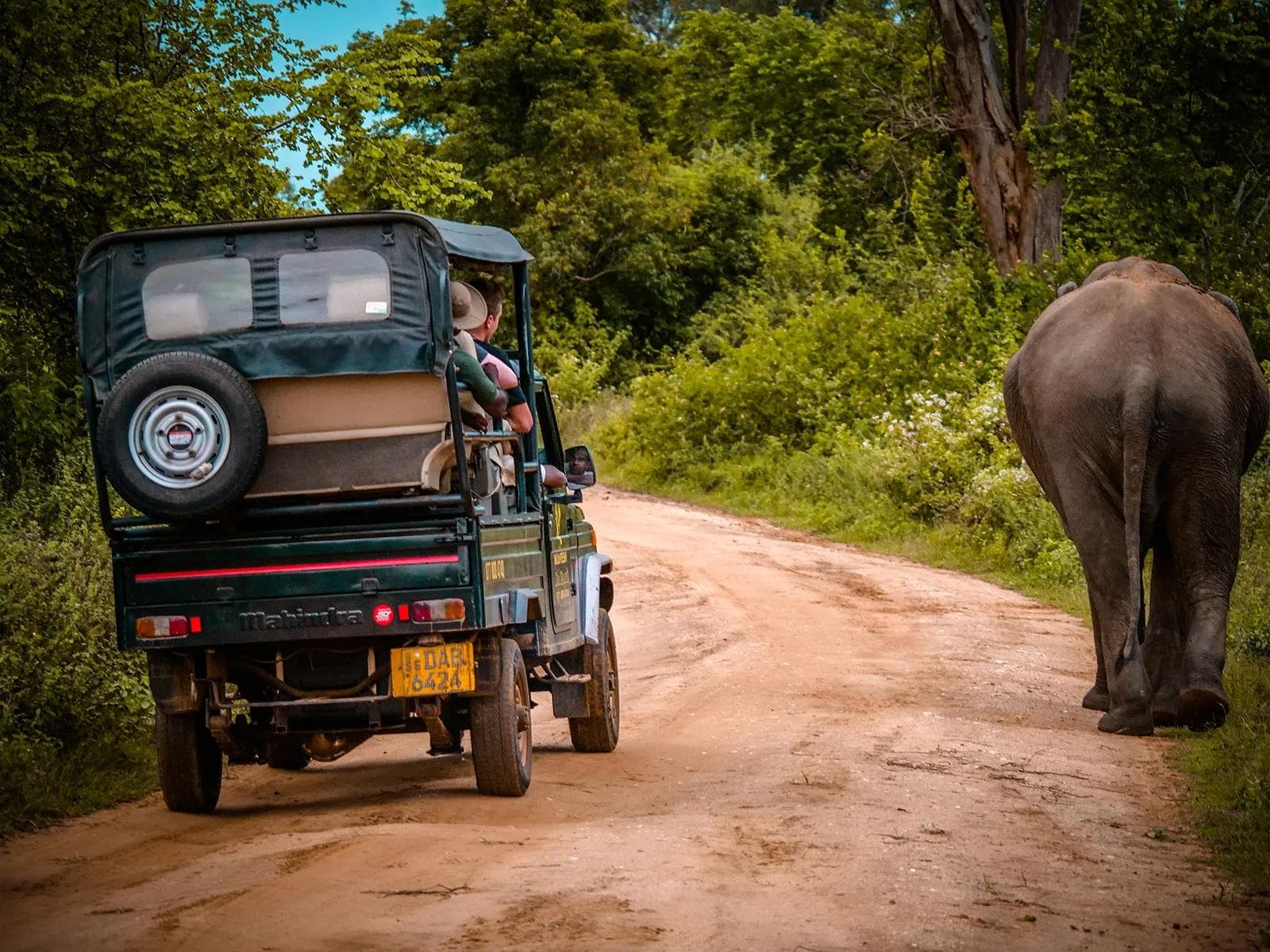
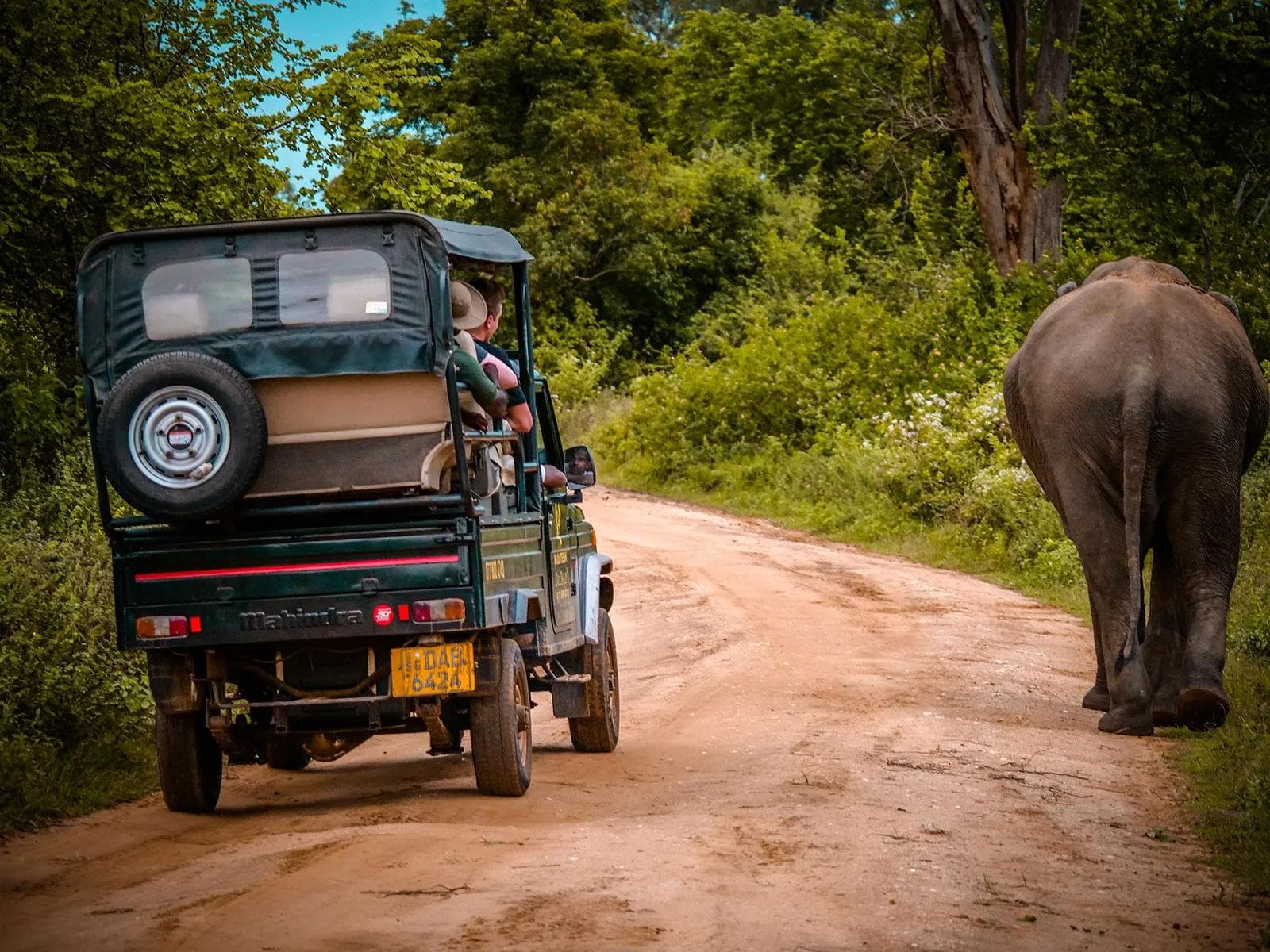
Udawalawe National Park is famous for one thing: Elephants. Unlike Yala National Park, where you might spend hours hunting for a leopard and see nothing, Udawalawe pretty much guarantees elephant sightings. It is feasible as a day trip from Mirissa, but you are going to need coffee lots of it. Here is how to pull off the ultimate jungle adventure and be back in time for a sunset swim.
The Wake-Up Call: It’s an Early Start
Let’s rip the band-aid off quickly: You need to leave Mirissa around 3:30 AM or 4:00 AM.
Why? Because the drive to Udawalawe takes about 2 to 2.5 hours. You want to be at the park entrance gate by 6:00 AM when it opens.
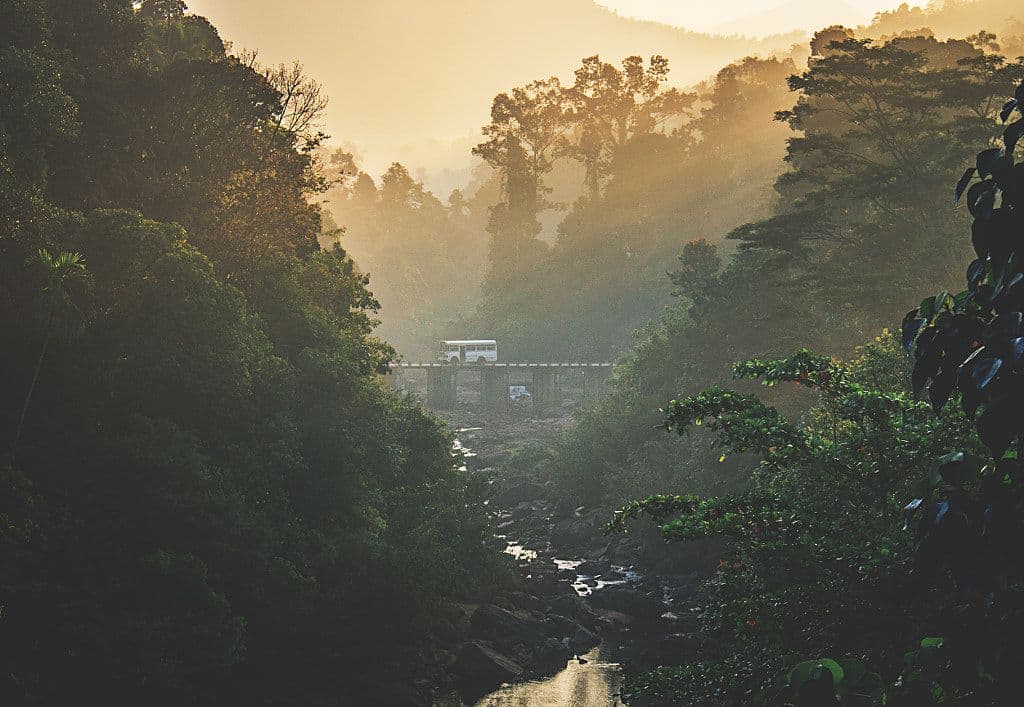
The animals are most active in the early morning before the sun gets too hot. Plus, the morning light over the misty reservoir is stunning for photography. If you arrive at 10:00 AM, the elephants will be hiding deep in the shade, and you will be roasting in the open jeep.
The Logistics: Taxi + Jeep + Ticket
This trip has three costs you need to factor in.
The Taxi (Mirissa to Park): You need to hire a private car or van. Do not take a tuk-tuk; it is too far and too bumpy. Expect to pay around 12,000 – 16,000 LKR for the round trip transport. Your hotel in Mirissa can arrange this easily.
The Safari Jeep: Once you arrive at the park gate, you switch into a rugged, open-topped safari jeep. These cost around 4,000 – 6,000 LKR for a half-day tour (split between your group).
The Entrance Fee: This is paid to the government at the gate. As of late 2024/2025, it fluctuates but budget around $35 - $40 USD per person (paid in LKR).
Money Saving Tip: Find other travelers in Mirissa to share the taxi and jeep costs. If you split it 4 or 6 ways, it becomes a very affordable day out.
The Experience: What You Will See
Udawalawe is smaller and less dense than other parks, which makes spotting animals easy. It is famous for its large herds of female elephants and their babies.
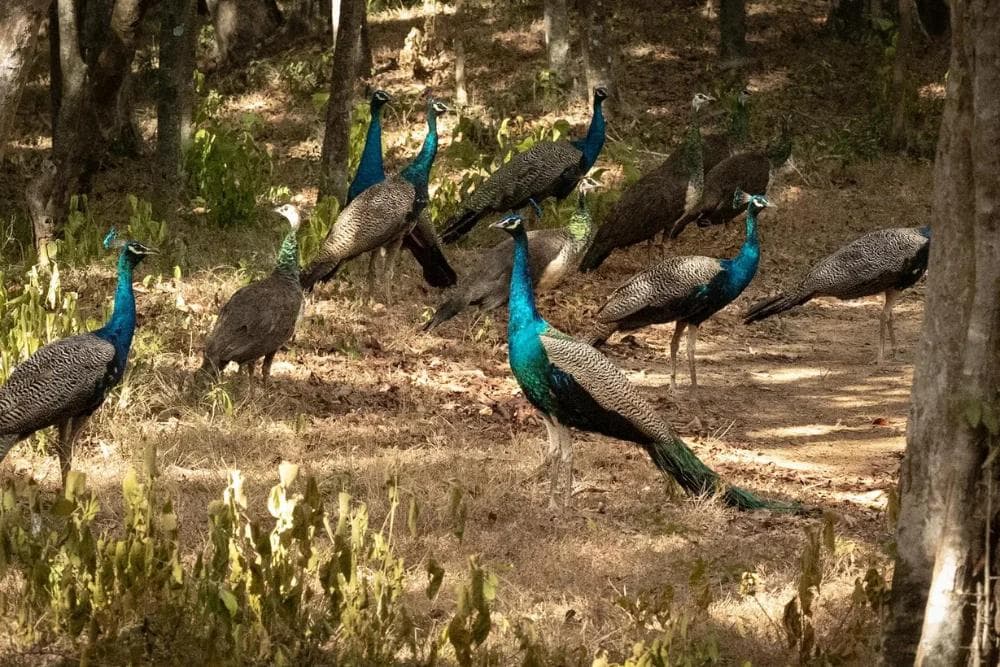
It is not uncommon to see a herd of 10-15 elephants crossing the road right in front of your jeep. You will also see water buffalo soaking in the mud, crocodiles sunbathing on the banks, peacocks dancing, and if you are lucky, eagles hunting.
The terrain is beautiful grassy plains, ghostly white trees standing in the reservoir, and mountains in the background. It feels like a mini-Africa.
Bonus Stop: The Elephant Transit Home
This is a must-do. On your way out of the park (usually around 9:30 AM or 10:00 AM), stop at the Elephant Transit Home located near the main road.
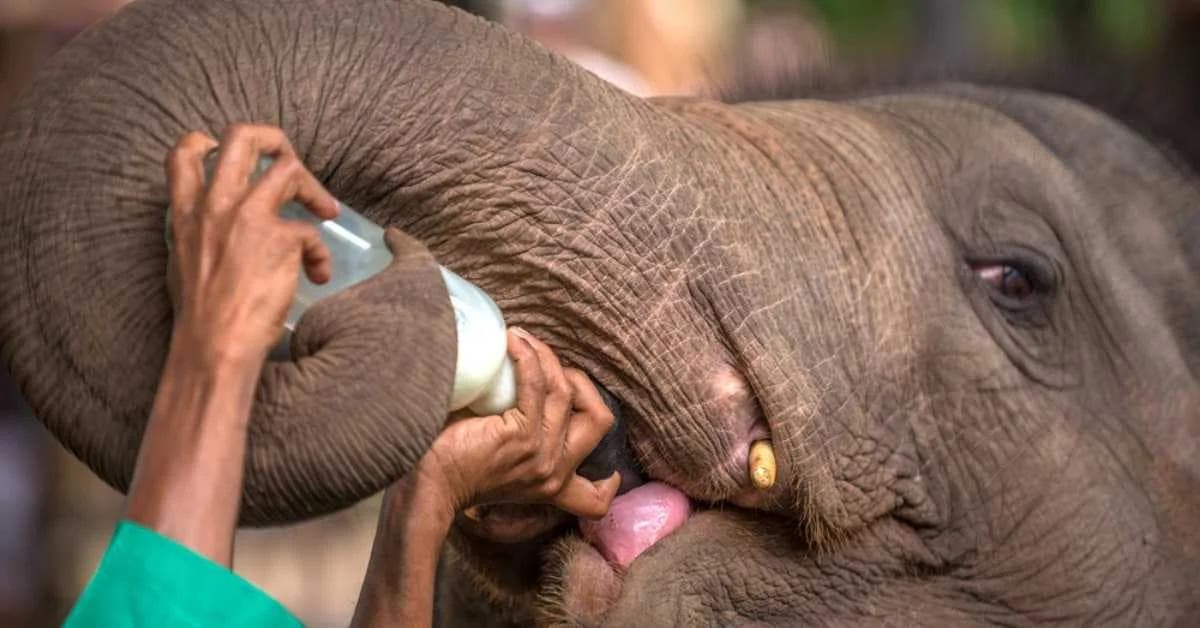
Unlike touristy "orphanages" where elephants are chained or ridden, this is a genuine rehabilitation center. They rescue orphaned baby elephants, feed them milk (which you can watch from a viewing platform), and eventually release them back into the wild when they are strong enough. There is absolutely no human contact allowed, which makes it a truly ethical experience.
Feeding times are usually 9:00 AM, 12:00 PM, and 3:00 PM. Try to catch the morning one right after your safari.
Back for Lunch
The beauty of this day trip is that you are done by noon. You can sleep in the car on the drive back and be back in Mirissa by 1:00 PM or 2:00 PM.
You can spend the morning in the jungle with giants and the afternoon recovering on a sunbed with a coconut. It is the perfect mix of adventure and relaxation.
What to Pack:
- Breakfast: Ask your Mirissa hotel to pack a "breakfast box" the night before. You can eat it inside the park (designated areas only).
- Sunscreen & Hat: The jeeps have roofs, but the sides are open. The sun is fierce.
- Water: It gets very dusty and dry.
Published on 2/4/2026