Fresh Seafood on the Beach: How to Pick Your Fish (And Not Get Ripped Off)
Sahan Perera
3/1/2026

By Sahan Perera
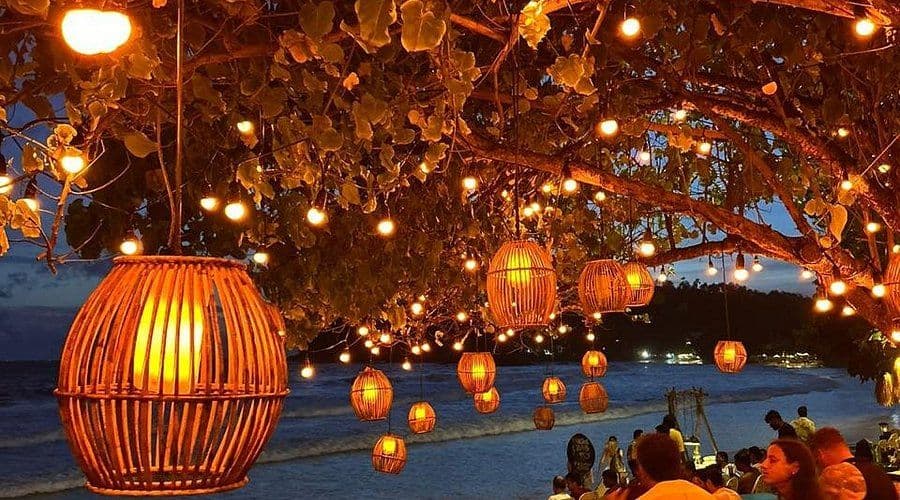
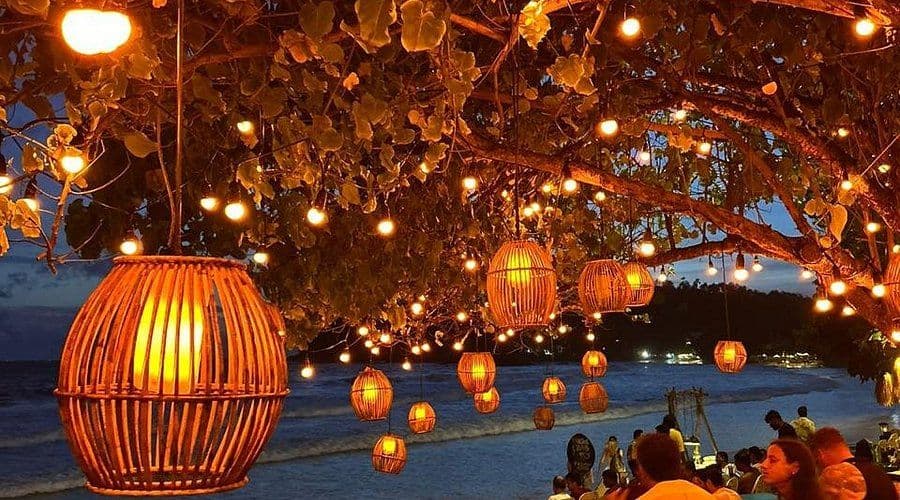
As soon as the sun sets in Mirissa, the beach transforms. The sunbeds disappear, replaced by wooden tables, flickering candles, and most importantly massive wooden boats filled with ice and fresh seafood.
Dining on the sand with the waves crashing a few meters away is the quintessential Mirissa experience. But unlike a normal restaurant where you just order from a menu, the seafood dinner here is a contact sport. You have to pick your own fish, weigh it, haggle for the price, and decide how you want it cooked.
It can be overwhelming, and if you aren't careful, it can be an expensive tourist trap. Here is the realistic guide to navigating the "Seafood Market" dining scene like a pro.
Step 1: The Freshness Test (Don't Be Shy)
The first rule of Mirissa seafood: Inspect before you commit. Just because it is on ice doesn't mean it was caught today. Some restaurants will try to sell you older fish or frozen stock that has thawed out.
Don't be afraid to get up close and even touch the fish (or ask the waiter to hold it up). Here is the checklist:
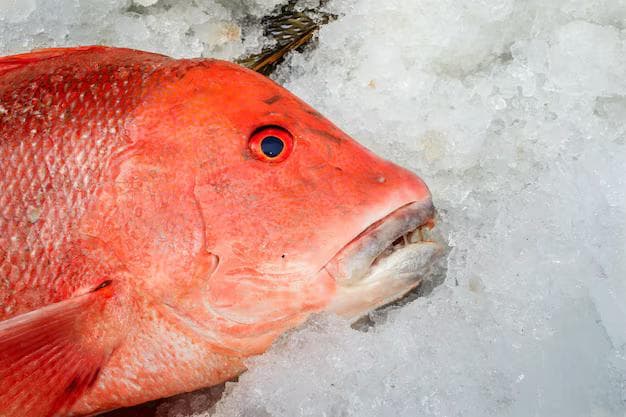
- The Eyes: Look for clear, bulging, glassy eyes. If the eyes are cloudy, sunken, or grey, the fish is old. Walk away.
- The Gills: Ask to see the gills. They should be bright red or pink. If they are brown or grey, it’s not fresh.
- The Flesh: If you poke it with your finger, it should bounce back immediately. If your fingerprint stays in the meat, it’s mushy and old.
Step 2: The Negotiation
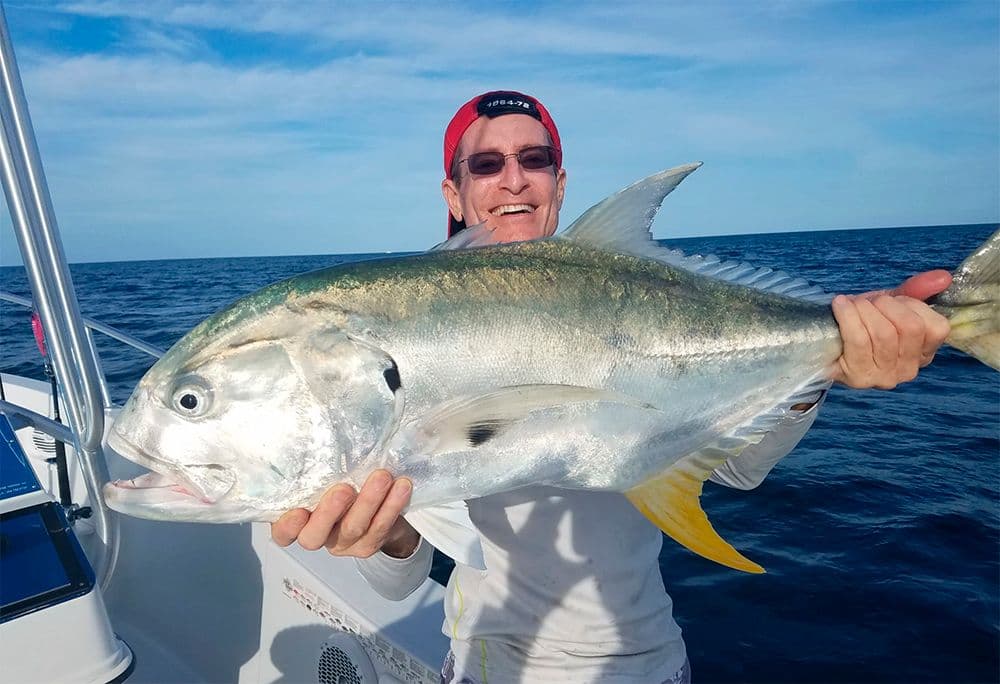
Once you have picked a winner maybe a Red Snapper, a Barracuda, or some Jumbo Prawns it goes on the scale.
This is where the confusion happens. The price is usually quoted per 100 grams.
- Typical Price: Expect to pay between 600 – 1,000 LKR per 100g depending on the type of fish (Jumbo Prawns and Lobster are much more expensive).
- The Weigh-In: Watch the scale. Make sure it starts at zero.
- The Bargain: If they say the fish is 800g and costs 6,000 LKR, ask for a deal. "Can you do it for 5,000?" is a perfectly acceptable question. Often, they will throw in the sides (salad, fries, rice) for free to seal the deal.
Pro Tip: Ask for the Final Price (including tax and service charge) before you sit down. Write it down if you have to. This avoids any "surprise" additions to the bill later.
Step 3: How to Cook It
You aren't just picking the fish; you are the chef’s boss. They will ask how you want it prepared. You usually have three options:
Garlic Butter (The Best Option): This is the safest and most delicious choice. It lets the fresh taste of the fish shine through without overpowering it.
Spicy / Deviled: Sri Lankan style. It’s delicious, but the heavy chili sauce can sometimes hide the flavor of the fish (or hide the fact that the fish isn't super fresh).
Curry: They can cut the fish up and make a traditional curry. Great for Barracuda or Paraw fish, but a waste for a whole Snapper.
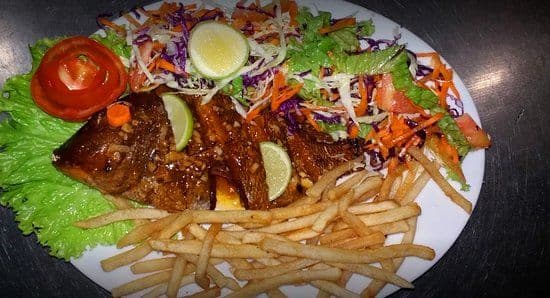
Where to Go
While almost every restaurant puts out a display, some are better than others.
- Zephyr: Known for being slightly more expensive but reliable quality. They don't usually mess around with old fish.
- Brizo: Good mid-range option with a nice display.
- Look for the Crowd: The best indicator is turnover. If a restaurant’s seafood boat is empty by 9:00 PM, it means their food is fresh. If the boat is still full of fish at 10:00 PM, avoid it that fish will probably be there tomorrow too.
Dining on the beach in Mirissa is magic. The sand is cool between your toes, the stars are out, and you are eating a fish that was swimming in the ocean that morning. Just keep your wits about you during the selection process, and you’ll have the best meal of your trip.
Published on 3/1/2026